Babywearing Sun Protection: An Australian Parent's Guide

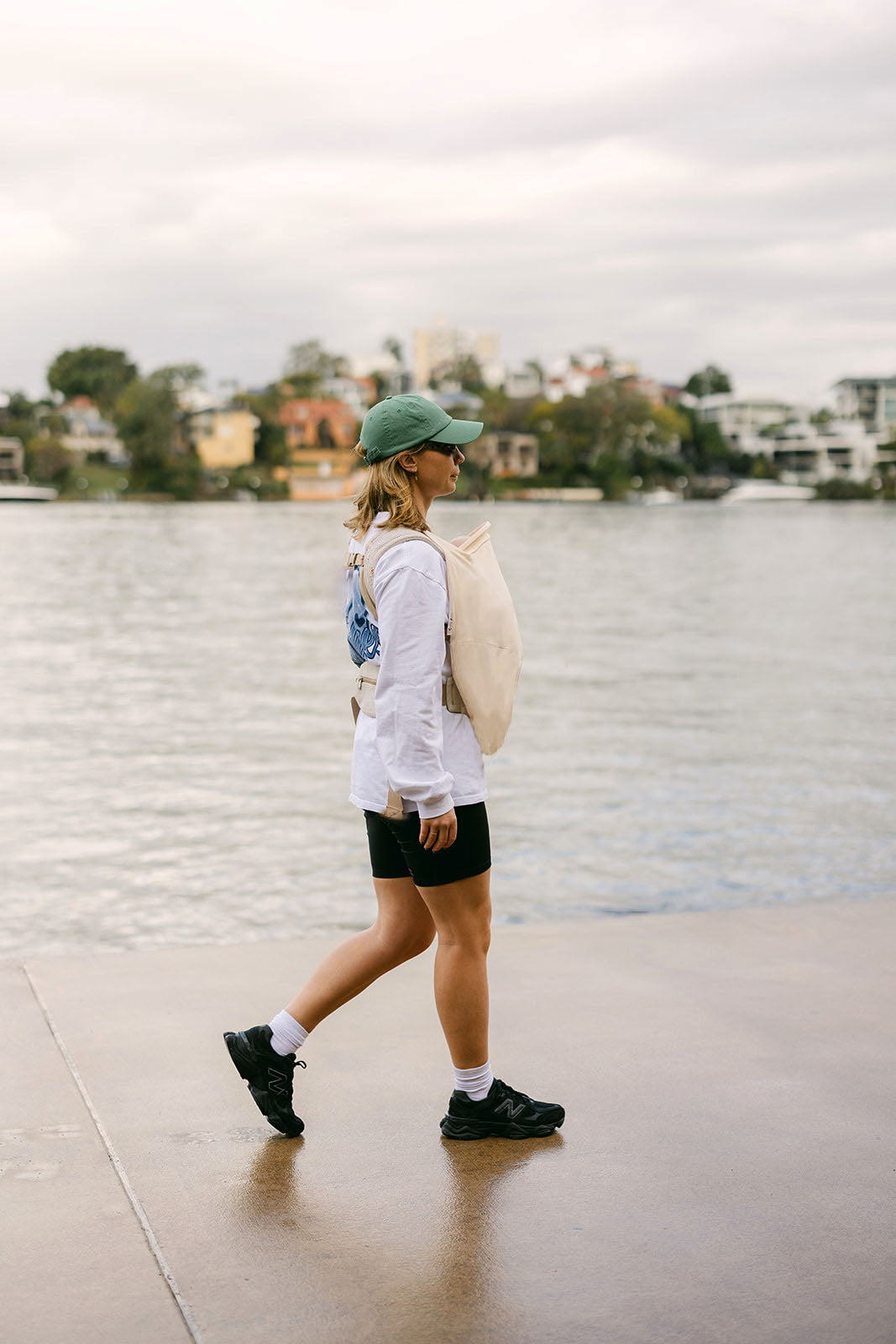
Babywearing makes getting out with a baby easier. Walks, school drop-off, the park, beach days, errands and adventures become possible without having to bring the pram everywhere.
But there is one problem Australian parents quickly discover: your baby's arms, legs and sometimes neck can be surprisingly exposed to the sun in a baby carrier.
And unlike sitting under a fixed pram canopy, babywearing means you are constantly moving in and out of the sun.
So how do you protect your baby from UV while babywearing — particularly during an Australian summer?
The answer isn't one single product. Good babywearing sun protection means combining shade, appropriate clothing, a suitable hat, UPF protection and safe babywearing practices.
Why babies need extra sun protection
Babies have delicate skin and need particular protection from ultraviolet radiation.
In Australia, sun protection is recommended when the UV Index reaches 3 or above. For babies under 12 months, avoiding direct sunlight as much as possible is particularly important.
That doesn't mean families need to stay indoors.
It does mean thinking about how much of your baby's skin is exposed whenever you're outside — including when they are tucked into a carrier.
Which parts of a baby are exposed in a carrier?
A baby carrier provides some coverage simply because your baby's body is positioned against you.
But depending on the carrier, clothing and baby's age, you may still have exposed:
-
arms
-
hands
-
lower legs
-
feet
-
neck
-
parts of the face and head
This can become particularly noticeable as babies get bigger and their arms and legs extend further outside the carrier.
The challenge with babywearing is also that your position relative to the sun keeps changing.
A shaded path can become full sun. A walk to the café can take longer than planned. Your toddler may suddenly decide the playground is now a two-hour commitment.
Sun protection that moves with you can make outdoor babywearing much simpler.
How to protect your baby from the sun while babywearing
The best approach is to use several forms of sun protection together rather than relying on only one.
1. Seek shade where you can
Shade remains an important part of sun protection.
Where possible, choose shaded walking routes, sit under trees or shelters and avoid extended periods in direct sun — particularly during times of high UV.
But any babywearing parent knows shade isn't always available exactly where you need it.
That's why portable protection matters too.
2. Use clothing to cover exposed skin
Lightweight clothing that covers as much skin as practical can provide an effective barrier against UV.
Depending on the weather and your baby's age, this might mean longer sleeves or clothing that covers the legs.
Look for lightweight fabrics appropriate to the conditions and remember that not every fabric provides the same level of UV protection.
A UPF rating gives you more information about how effectively a fabric blocks ultraviolet radiation.
3. Choose UPF-rated protection
UPF stands for Ultraviolet Protection Factor.
It measures how effectively a fabric reduces UV passing through to the skin.
A fabric rated UPF50+ provides a high level of UV protection and can be useful when covering areas of your baby's skin that would otherwise be exposed.
This is particularly useful for babywearing because your baby's arms and legs can sit outside the carrier even when most of their torso is covered.
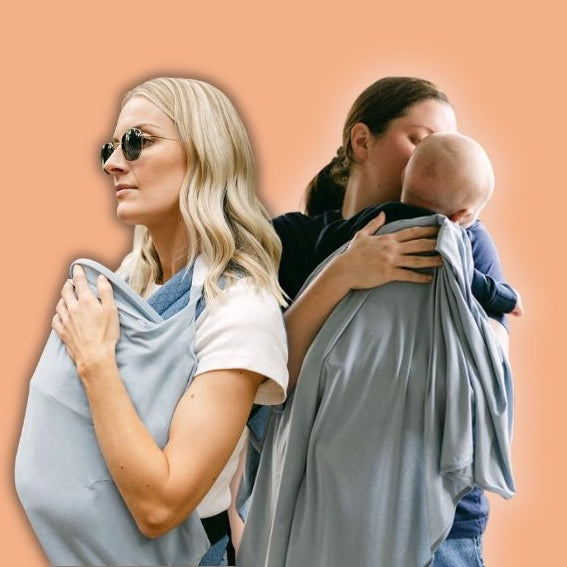
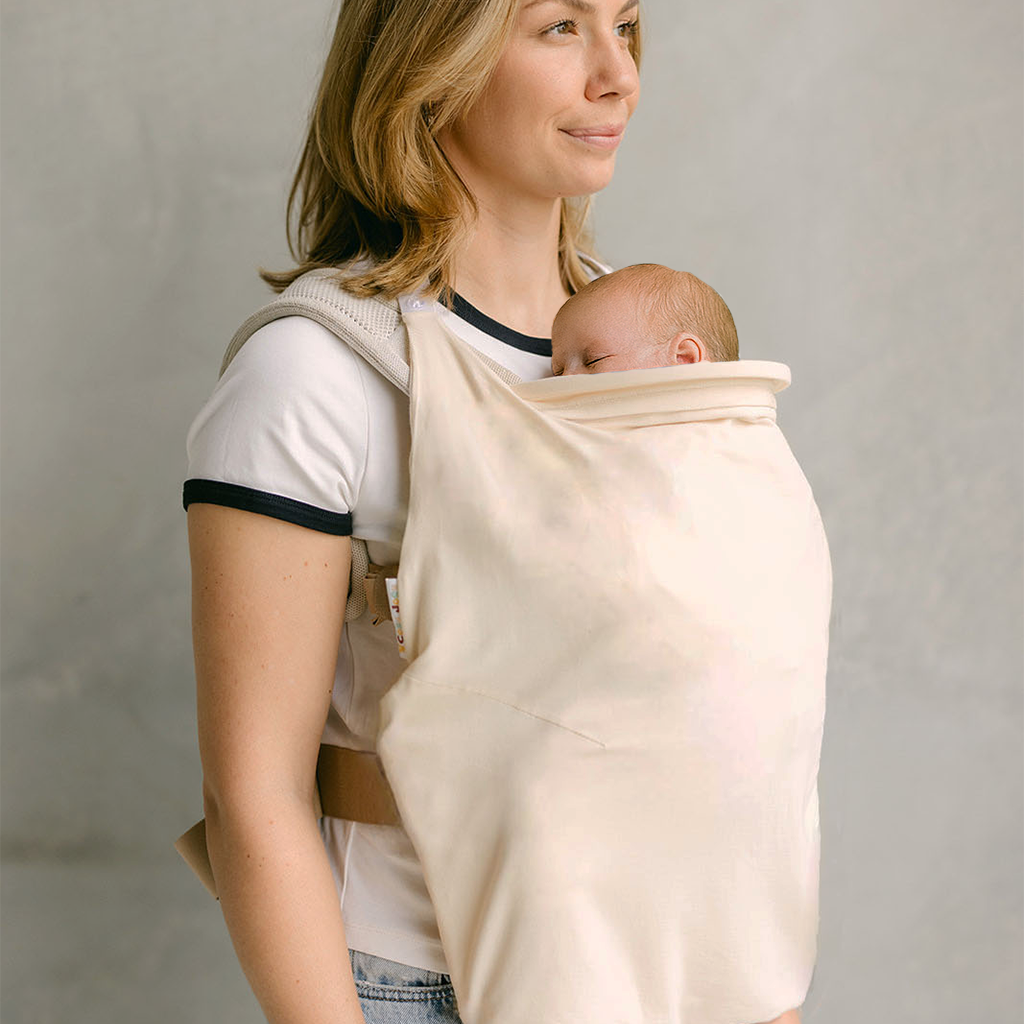
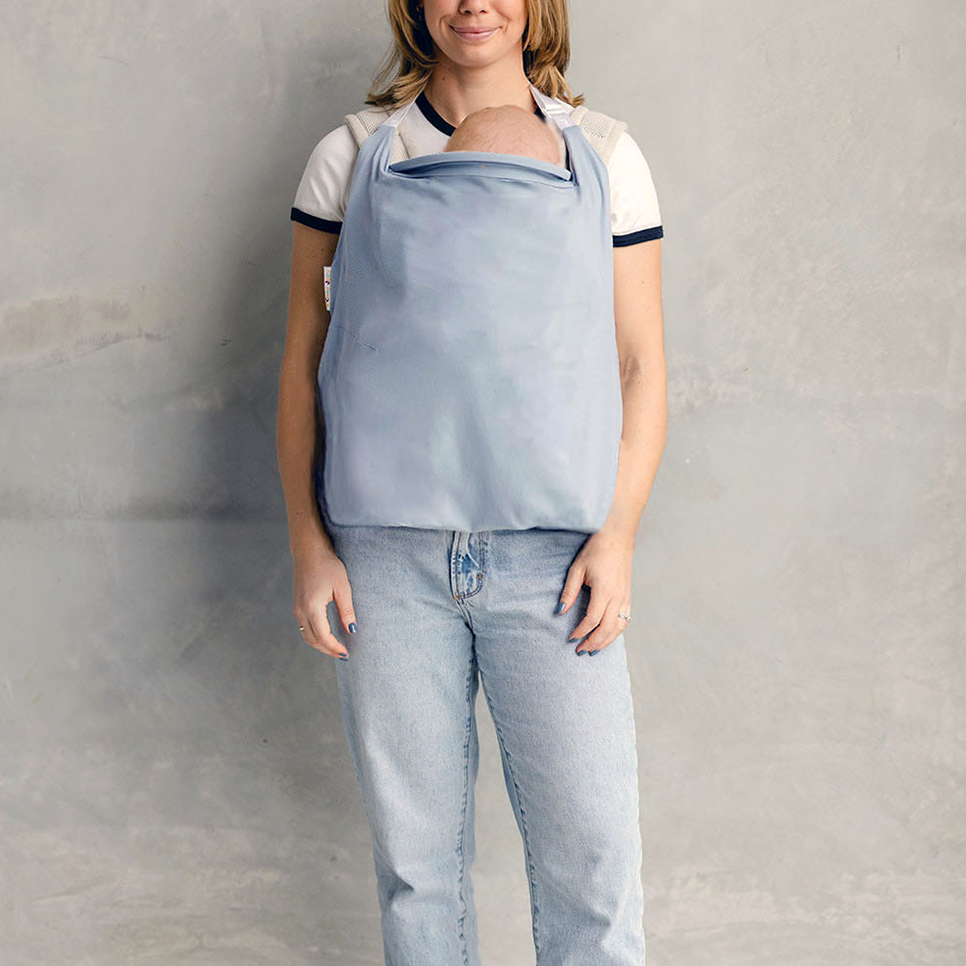
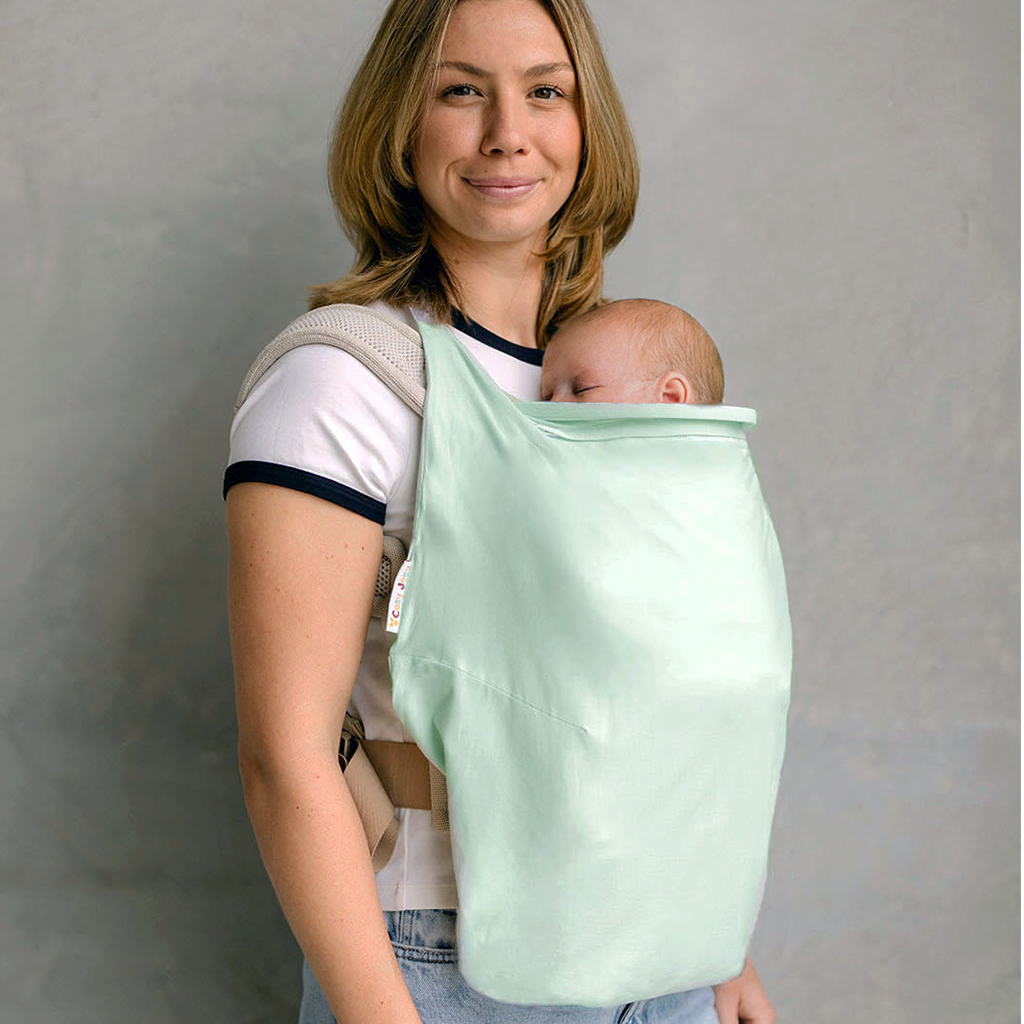
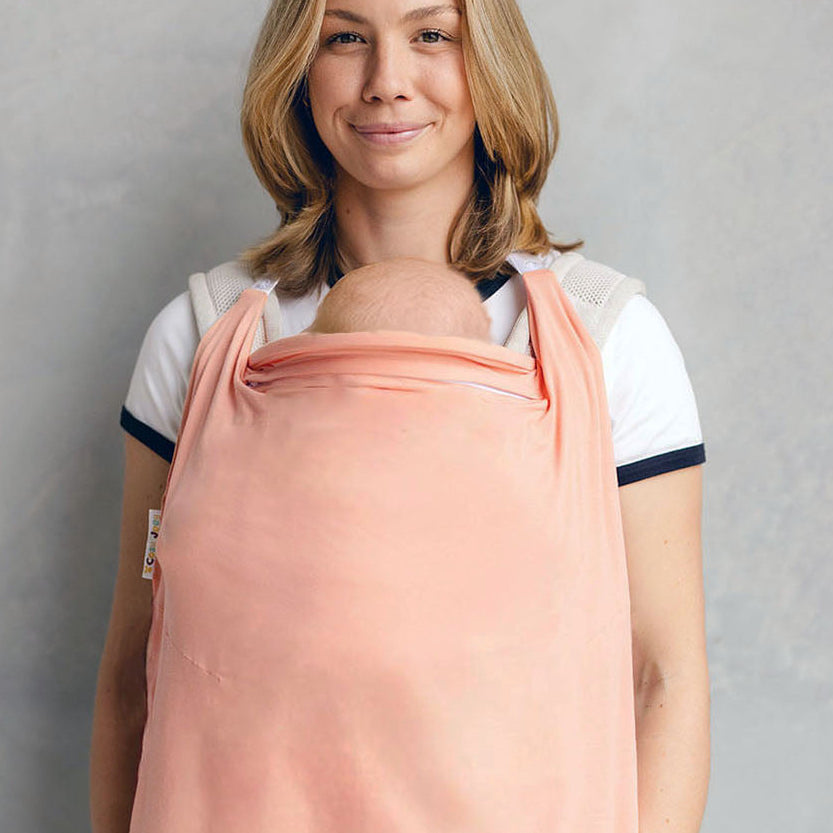
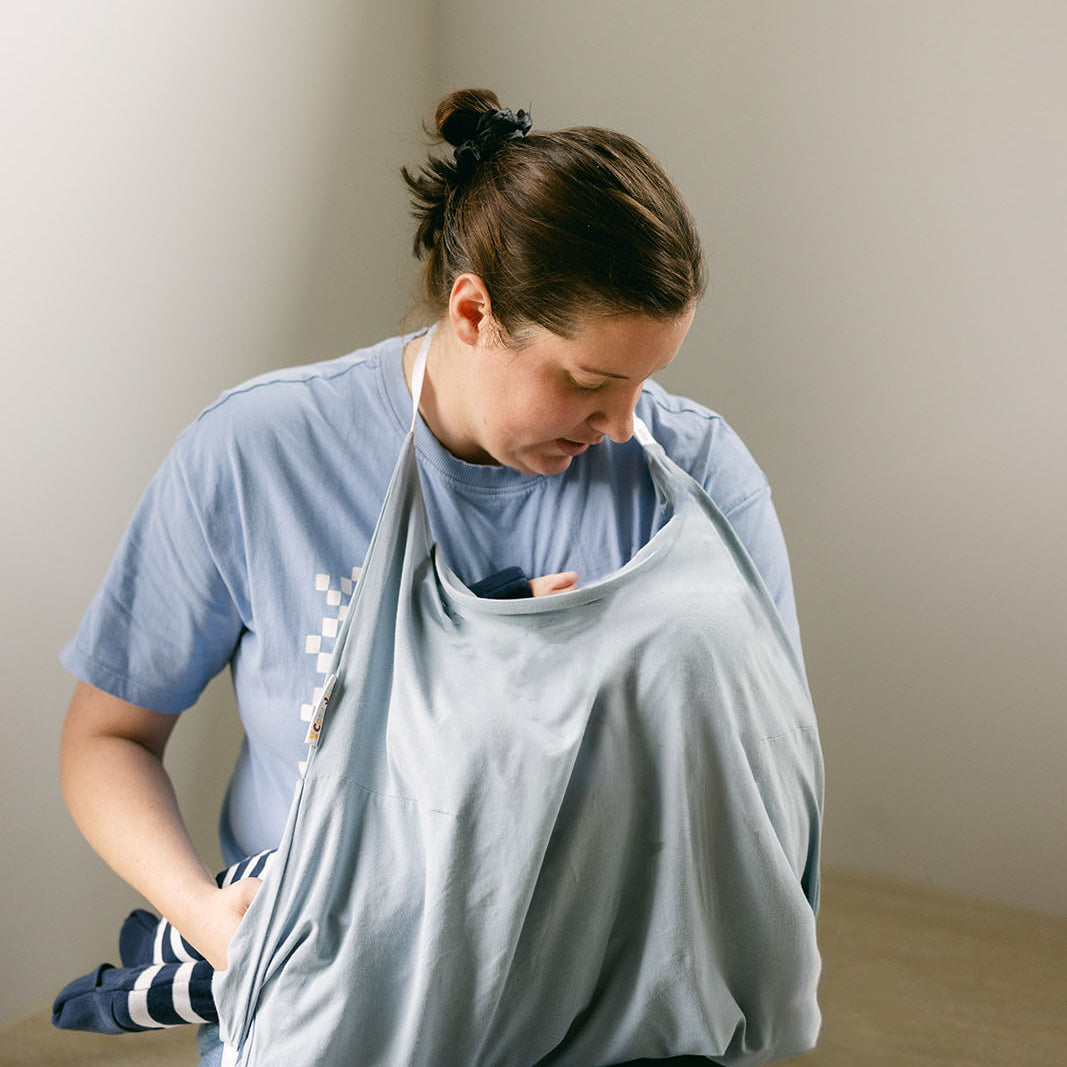
The Shady Baby Carrier Cover was designed specifically for this problem.
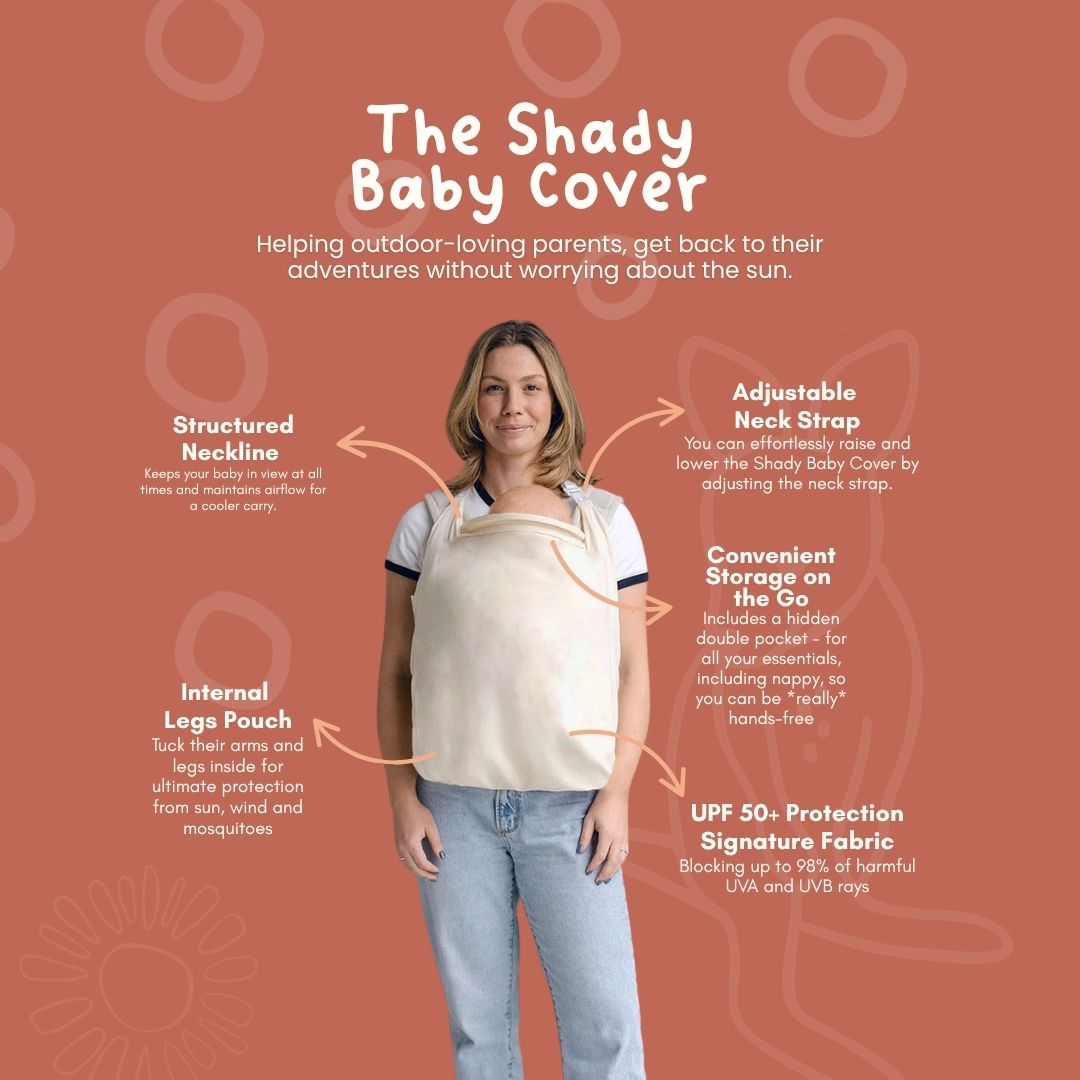
It provides UPF50+ coverage over exposed little arms and legs while attaching securely to the carrier, so you don't need to continually reposition a loose wrap while walking.
SHOP THE SHADY BABY CARRIER COVER
What about sunscreen on babies under six months?
This is one of the most common questions new parents have.
For babies under six months, widespread sunscreen use is not generally recommended in Australia because very young babies have particularly sensitive skin.
Instead, sun protection should focus primarily on:
-
keeping baby out of direct sunlight where possible
-
shade
-
covering clothing
-
an appropriate hat
-
other physical barriers to UV
For older babies, sunscreen can form part of a broader sun-protection routine rather than being relied on as the only form of protection.
Always follow current Australian health guidance and the instructions on the sunscreen you use.
Does my baby still need a hat when using a carrier sun cover?
Yes.
A carrier cover is designed to protect the exposed parts of baby's body that it covers. It does not replace protection for the head, face or areas outside the cover.
A suitable baby sun hat can help provide coverage for the face, ears and neck.
When babywearing, make sure the hat does not interfere with baby's airway or push their head into an unsafe position.
The aim is layers of sun protection, rather than expecting one product to do everything.
Can you put a muslin over a baby carrier?
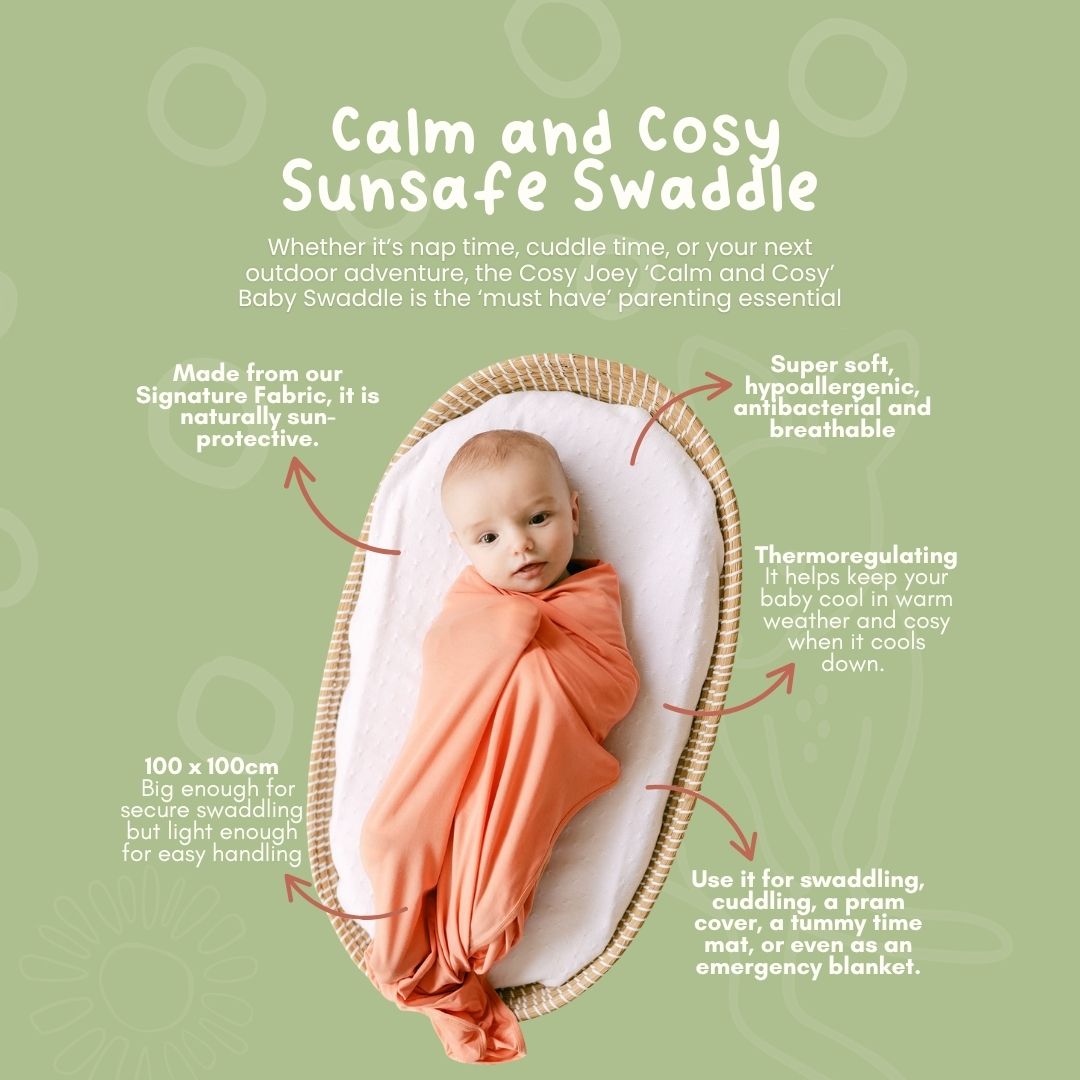
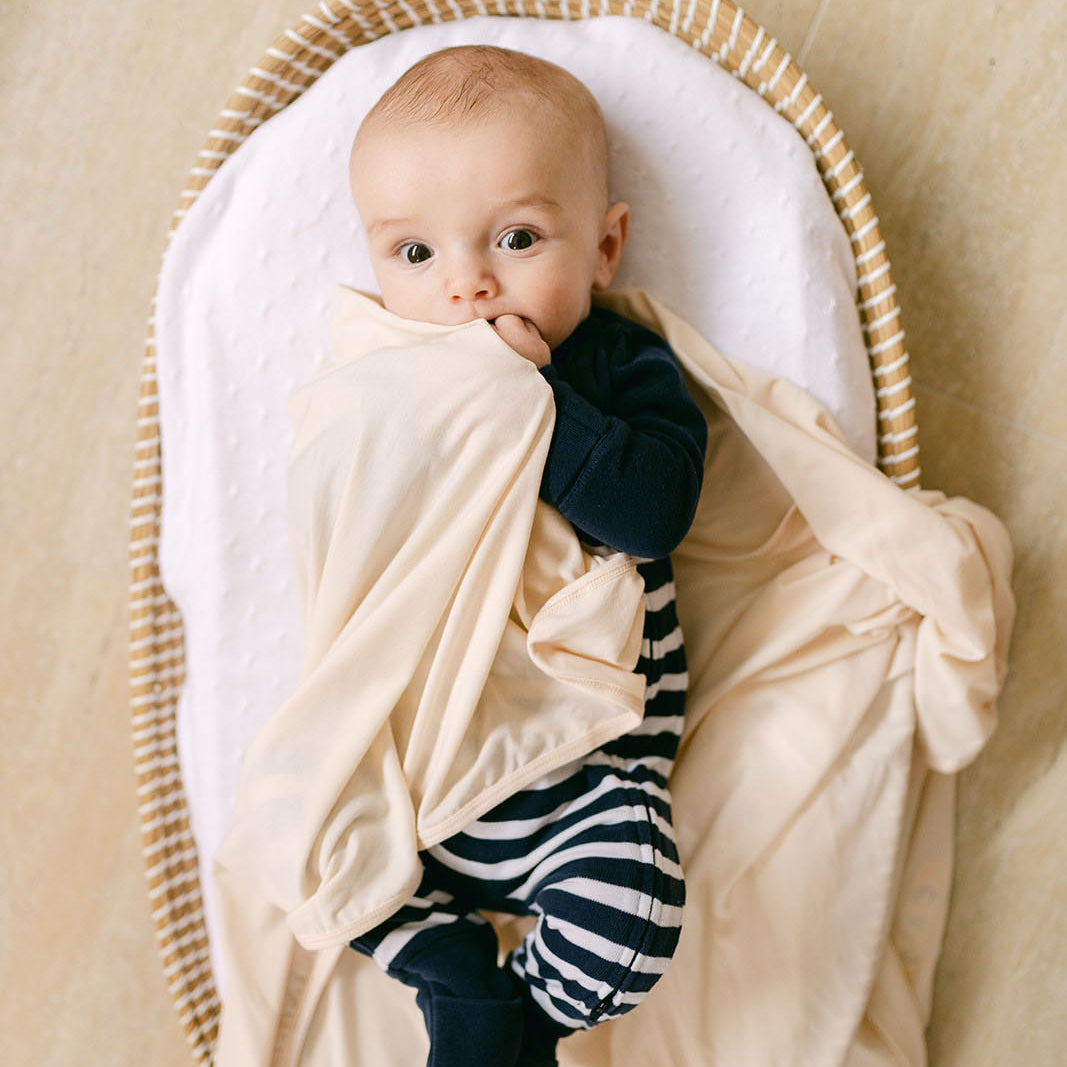
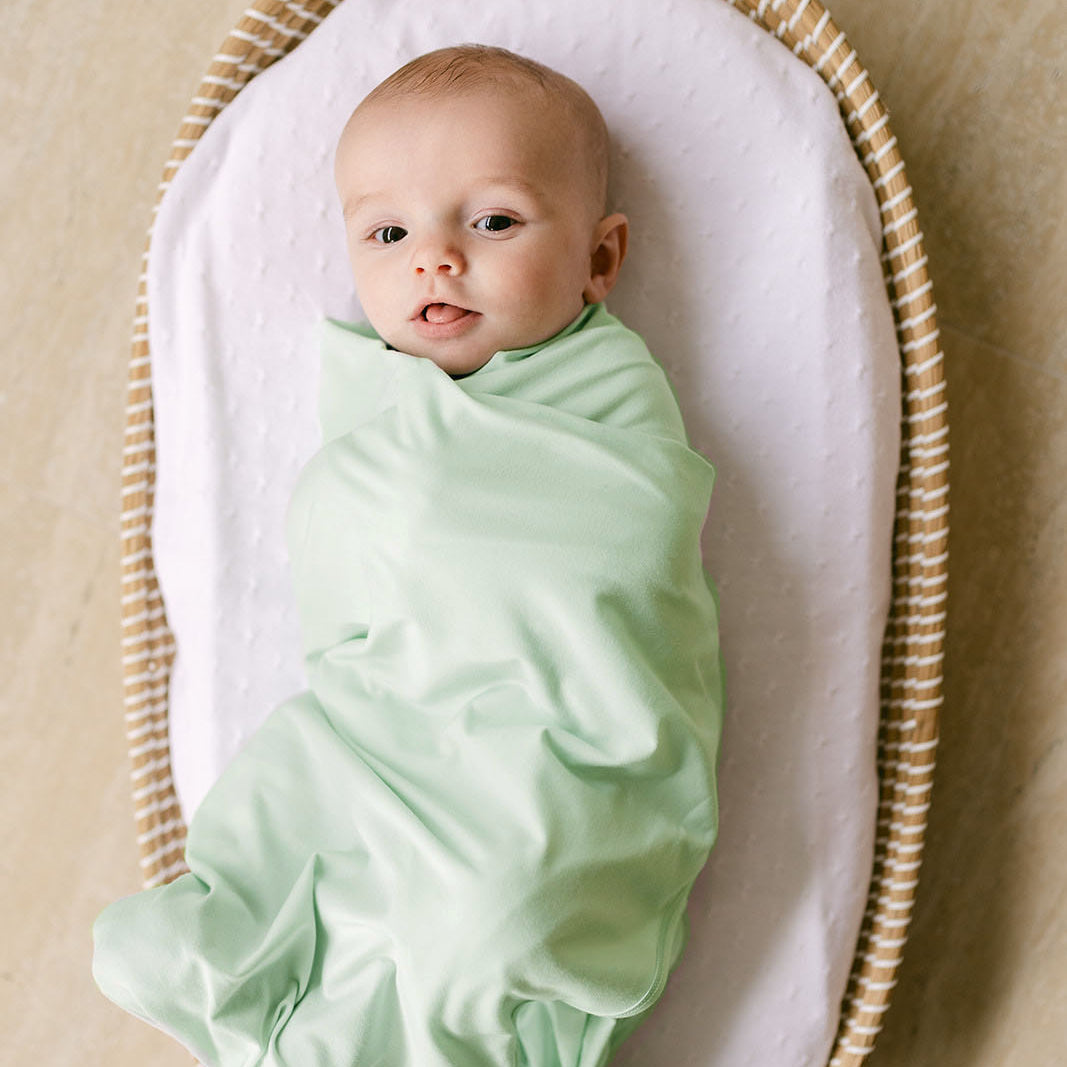
Parents have long improvised with muslins and swaddles to cover exposed arms and legs.
The problem is that they weren't designed specifically for this job.
They can:
-
slip or blow out of position
-
require repeated adjustment
-
bunch around baby
-
provide unknown levels of UV protection unless specifically UPF rated
-
make it harder to keep baby's face and airway clearly visible if positioned incorrectly
If you do use any additional fabric around a baby carrier, baby's face must remain completely visible and uncovered and you should continue to monitor their position and temperature.
A purpose-designed carrier cover can remove much of the constant adjusting while giving you certainty about the fabric's UPF rating.
Keep baby's face visible
Sun protection should never come at the expense of safe babywearing.
Your baby's face and airway should remain visible and unobstructed.
Australian baby-carrier safety guidance recommends following the TICKS principles whenever you babywear:
T — Tight
Your carrier should hold baby securely against your body.
I — In view at all times
You should be able to see baby's face simply by looking down.
C — Close enough to kiss
Baby should sit high enough that you can easily kiss the top of their head.
K — Keep chin off chest
Baby's chin should not be forced down onto their chest.
S — Supported back
Baby's back should be supported in an appropriate position.
This is also why the Shady Baby has no hood and uses a structured neckline. The cover is designed to protect exposed skin while leaving baby's head and face visible.
What about babywearing in hot weather?
Babywearing involves two bodies close together, so it can feel warm even before the temperature rises.
On hot days:
-
choose lightweight clothing for yourself and baby
-
seek shade when possible
-
avoid the hottest parts of the day where practical
-
keep baby's face and airway clear
-
regularly check baby's temperature and comfort
-
take breaks from the carrier when needed
-
keep yourself hydrated
-
follow your carrier manufacturer's instructions
Remember that a baby's temperature can change during an outing.
Regularly checking them is more useful than assuming they are comfortable simply because they were comfortable when you left home.
Can you babywear at the beach?
Babywearing can be incredibly useful at the beach — especially when pushing a pram across sand isn't exactly practical.
But beaches also bring strong UV exposure and reflective surfaces.
Plan ahead with:
-
shade
-
appropriate clothing
-
a sun-safe hat
-
UPF protection for exposed skin
-
plenty of breaks
-
careful monitoring of baby's temperature
And remember: UV isn't the same as heat.
A breezy beach day can still have a high UV Index.
How to make outdoor babywearing easier
The goal isn't to make getting outside with a baby feel harder.
It's the opposite.
A good sun-protection setup should reduce the amount of thinking you need to do every time you leave the house.
Before heading out, ask:
Is baby's skin covered?
Is their head protected?
Is their face completely visible?
Can I easily check their temperature and position?
Do I have protection that will stay in place while we're moving?
When those things are sorted, you can spend less time chasing shade or readjusting blankets — and more time actually enjoying being outside together.
Meet the Shady Baby Carrier Cover
The Shady Baby was created because protecting a baby from the Australian sun while babywearing shouldn't require constantly fighting with a loose muslin.
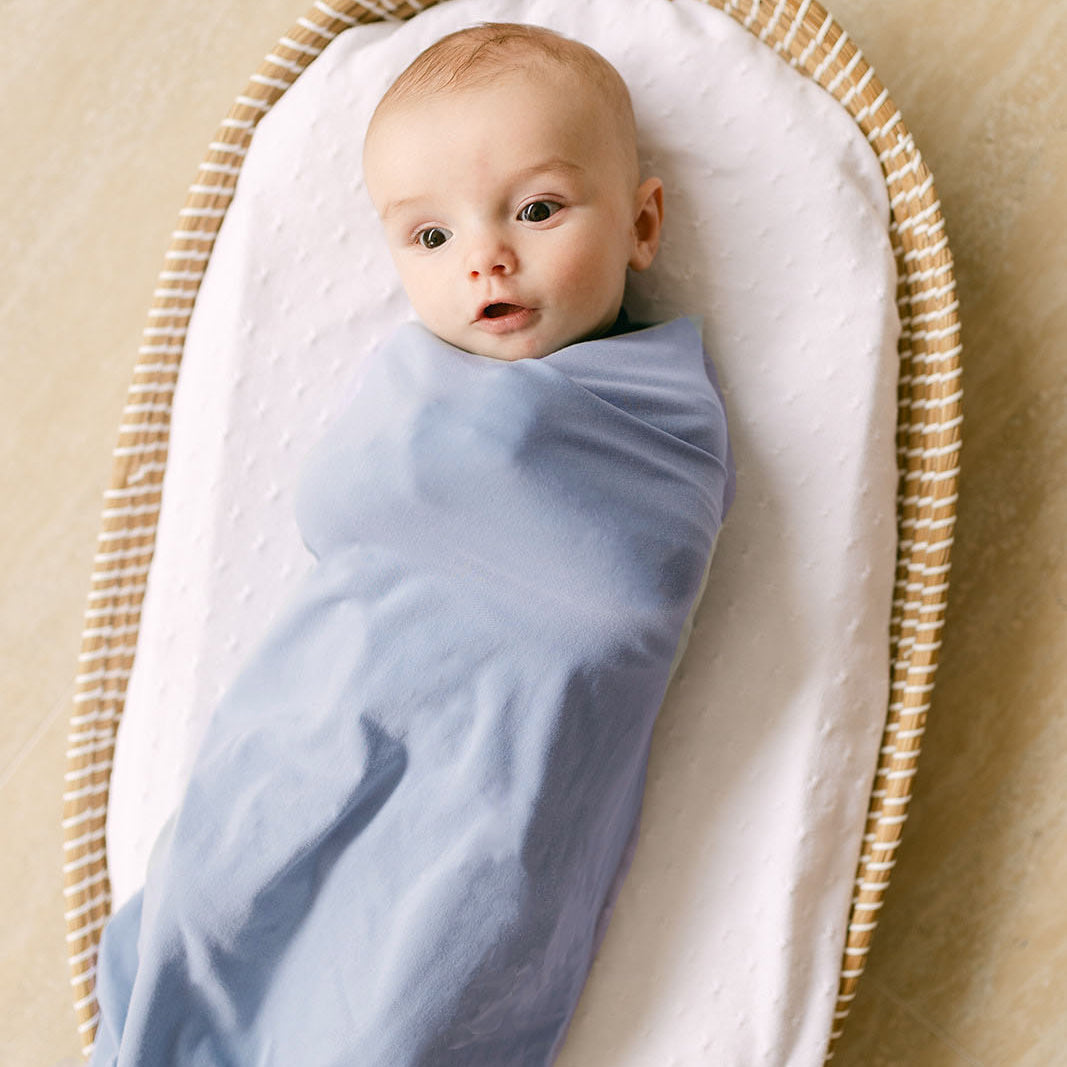
It is a lightweight UPF50+ baby carrier sun cover designed to protect exposed arms, legs and neck while keeping baby's face visible.
It features:
-
UPF50+ independently tested fabric
-
lightweight TENCEL™ Lyocell fabric
-
breathable and thermoregulating properties
-
a structured neckline
-
secure attachment over the carrier
-
coverage that moves with you
-
no hood, so baby's face remains visible
-
universal design suitable for most structured baby carriers
-
use from newborn through to approximately 18 months
Clip it on, add baby's hat and keep moving.
Because sometimes you can't plan your whole day around the next patch of shade.
SHOP THE SHADY BABY CARRIER COVER
Frequently Asked Questions
How do I keep my baby out of the sun while babywearing?
Seek shade where possible and combine it with physical protection such as appropriate clothing, a sun-safe hat and UPF-rated fabric. Keep baby's face visible and continue checking their position and temperature while in the carrier.
Does a baby carrier protect baby from the sun?
A carrier will cover parts of your baby's body, but arms, legs, neck, hands, feet and parts of the head can remain exposed depending on the carrier and baby's position. Additional sun protection may therefore be needed.
What is the best sun protection for a baby carrier?
There isn't one single form of protection that replaces everything else. A combination of shade, covering clothing, a suitable hat and UPF-rated coverage provides more complete protection.
Can newborns use the Shady Baby Carrier Cover?
The Shady Baby can be used from the newborn stage with suitable structured baby carriers. Always follow the age, weight and positioning instructions for your specific carrier and ensure newborns are positioned safely according to TICKS.
Does my baby need sunscreen under a carrier cover?
Skin completely covered by UPF-rated fabric does not need sunscreen for protection from UV passing through that fabric. Any uncovered skin should be protected according to current Australian sun-safety recommendations and your baby's age.
Will a carrier cover make my baby hot?
Babywearing itself can be warm because your bodies are close together. The Shady Baby uses a lightweight, breathable TENCEL™ Lyocell-based fabric and a structured open neckline, but parents should still regularly check baby's temperature and comfort, particularly in warm weather.
Does my baby still need a hat?
Yes. The Shady Baby is designed to protect exposed body areas, not replace protection for baby's head and face. Pair it with an appropriate sun-safe hat.
Is UPF50+ the same as SPF50+?
No. SPF refers primarily to sunscreen, while UPF describes the amount of ultraviolet radiation that can pass through a fabric. A UPF50+ rating indicates excellent UV protection from the fabric.
Sun-safe babywearing shouldn't keep you indoors
Babywearing is often the easiest way to stay active with a baby — whether you're heading to the park, walking to coffee, exploring the beach, travelling or simply juggling another child at the same time.
A little planning can make those outings safer and easier.
Cover exposed skin.
Use shade where you can.
Add a suitable hat.
Keep baby's face visible.
Check them often.
And choose sun protection that moves with you.
Because Australian families shouldn't have to choose between protecting little skin and getting outside together.